Investment turns ‘landowners into backyard entrepreneurs’

I had the privilege to represent Canada at an annual meeting of Oikocredit International in South Africa. While in the country, I wrote some features for the Anglican Journal.

Johannesburg, South Africa
Lapologa! The Sotho sign on the otherwise bare walls of a tiny watering hole in the neighbourhood of East Orlando invites neighbors to one of a handful of plastic patio tables and ‘refresh themselves’ with a cold drink.

This backyard business offers Sydney and Maria Majodina minimal income to support three unemployed children, ages 29 to 37, and four grandchildren. The entire family shares a matchbox-size house next to the small pub in this Soweto neighbourhood.

Until recently, the family also generated additional income from renting several corrugated steel shacks cramped between the pub and their tiny bungalow. Mr. Majodina says, “Often there wasn’t enough food in the house.” He says he constantly worried about paying electricity and water bills.

Enter Blue Dot Housing, a microfinance organization based in Johannesburg and run by a group of young blacks dedicated to social change.

This spring, the Majodinas recognized opportunity when Blue Dot offered them an equity loan to replace their backyard shacks into a brick-and-mortar rental unit. Once completed, the new building is expected to generate sufficient income to start paying off the mortgage while also boosting family income.

Leslie Matlaisane, finance director at Blue Dot and also a member of St. Mary’s Anglican Church of Pretoria North Parish, says, “We turn landowners into backyard entrepreneurs.”

After being turned down by commercial banks, Blue Dot recently inked a deal with Oikocredit to obtain start-up capital for the new equity loan program.

Oikocredit was founded in 1975 at the initiative of the World Council of Churches. The not-for-profit organization provides denominations, churches, and individuals with an opportunity to buy investment products which offer credit and capital to impoverished people in the developing world. Hundreds of churches and individuals, including many in Canada, have now invested more than $250 million around the world in projects such as Blue Dot Housing.

Jill Martin, finance team leader of the Primate’s World Relief and Development Fund (the development arm of the Anglican Church of Canada, which is also a member of the World Council of Churches), says PWRDF invested in Oikocredit in 1998 when it allocated 20 per cent of its reserve capital to socially responsible investments.

“The recent PWRDF board decision to incorporate the principles of mission-based investing into its operational policies makes the Oikocredit investment particularly relevant,” says Ms. Martin. She recently became president of the International Oikocredit board and attended its annual meeting in Johannesburg in June.

“I don’t think any one strategy or any one person will fix the problem and end poverty,” says Ms. Martin. She adds that individual Canadians can make a difference. “You can’t stop at writing a [donation] cheque,” she says. “When you plan your investments, you can do a good thing,” she adds. Ms. Martin says Anglican churches and church-goers across Canada have invested in Oikocredit, but the denomination is not involved at the national level.

Meantime, in East Orlando, the Majodinas have torn down the corrugated shacks in their backyard, and a construction crew has dug ditches for a foundation. Mr. Majodina says he is building a four-room rental unit with shared bathroom facilities.

“I plan to rent out three rooms [to migrant workers] and turn the fourth room into a tuck shop,” explains Mr. Majodina. “It’s a good change because our loan payments will be reasonable.” He adds, “Our future will be bright.”

Blue Dot ensures building projects are finished in about four weeks and can be paid off in about five to 10 years. Although extremely impoverished, many of Soweto’s original residents now own property titles to their land and can thus provide collateral for their loan. After apartheid ended in 1994, the South African government transferred property titles to township residents living in what used to be rental homes built by former governments.

This article first appeared in the Anglican Journal in July 2007.

Windows

Toronto and Ottawa, Ontario

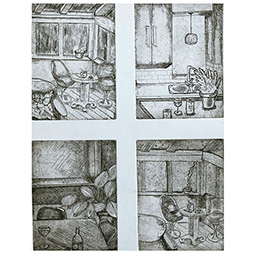
(Artist statement: Windows I and II)

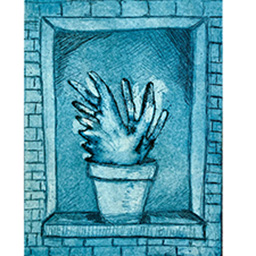
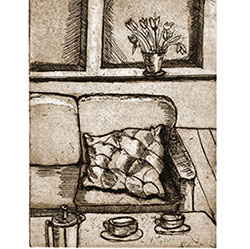
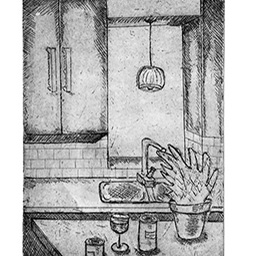
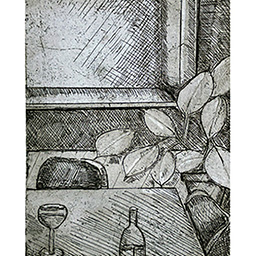
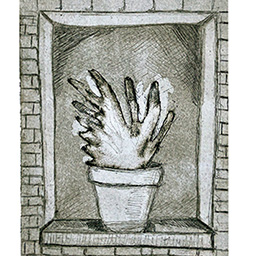
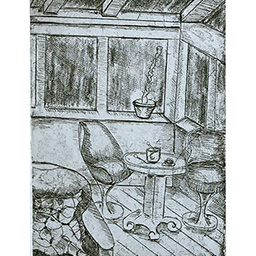
The etchings below are a series of simple domestic images that capture a fleeting moment in time. They invite the viewer to enter the scene and expect an encounter. Images are Images on 7.5×9.5″ Somerset paper. Series are 22×15″ on Somerset paper.

Late 2022 I needed a subject matter to build technical skills in etching processes. I reached back to when I first encountered Albrecht Dürer’s pillow sketches (1493 AD) which prompted me a few years ago to try to draw some pillows myself. It’s not easy! Soon my subject matter emerged as representational images of my own living space. I feel the intimacy of the etching process aligns well with these quiet images. They intend to capture a fleeting moment in time, asking the viewer to enter the scene.

What’s a “Herball”?

Toronto Reference Library, Toronto, Ontario

(Backgrounder: Herbal series)

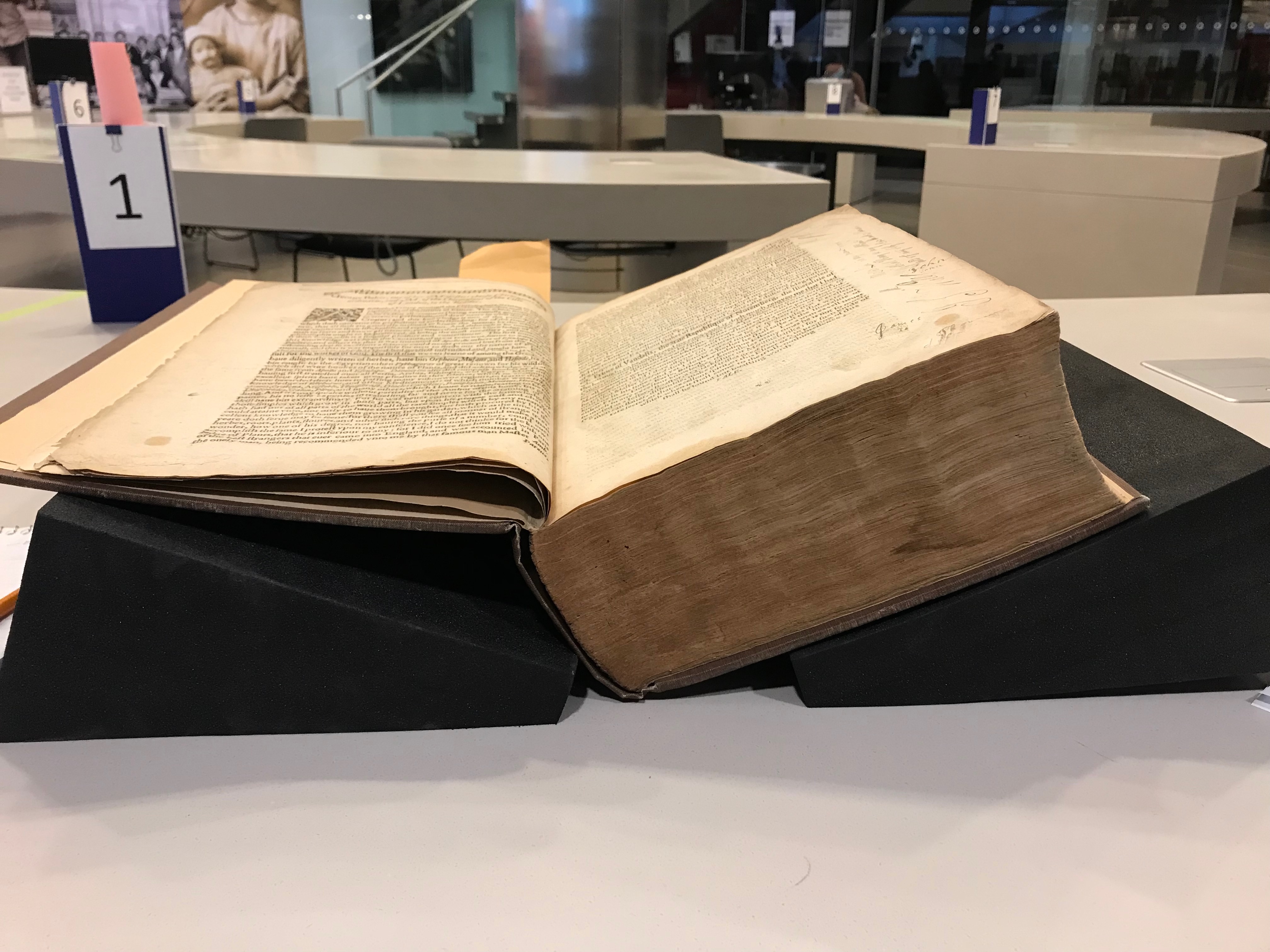
At the moment, I’m researching herbal books printed all over Europe starting in the 1400s an onwards. This includes The Herball, or Generall Historie of Plantes by John Gerard produced in 1597 in London. In 1639, Thomas Johnson ‘expanded’ Gerard’s herbal and freely copied the gorgeous engravings of the plants. Amazingly, a copy of the Johnson edition is available in the Toronto Reference Library. Here’s what happened when I decided to have a look at it.

Thomas Johnson’s herbal at Toronto Reference Library

On a bright, winter day I walk through two sets of glass doors into the special collections room at the Toronto Reference Library. No drinks allowed. No coats, bag or pens allowed either anywhere on the circular tables. My excitement builds. The open, two-storey space is dimly light and dead quiet. A staff member pushes a metal cart into the room. On it: THE BOOK! I’m provided with two black, foam triangles to hold up the fragile, perfect-bound  spine wrapped in a dark brown cover that still seems to faintly smell of leather. I’m not supposed to lift the book. It probably weighs as much as a large bag of potatoes. The yellowing, onion skin pages crackle as I carefully flip through the Herball. Old English words decorate – yes decorate – hundreds of huge pages. I  notice a stunning wood engraving of a garden crocus.

Hey, wait!! I’ve seen this image before…

ebook edition of an old herbal

(Yes, the engraving appears in other herbals; no worries about copyrights back then. But too much story here).

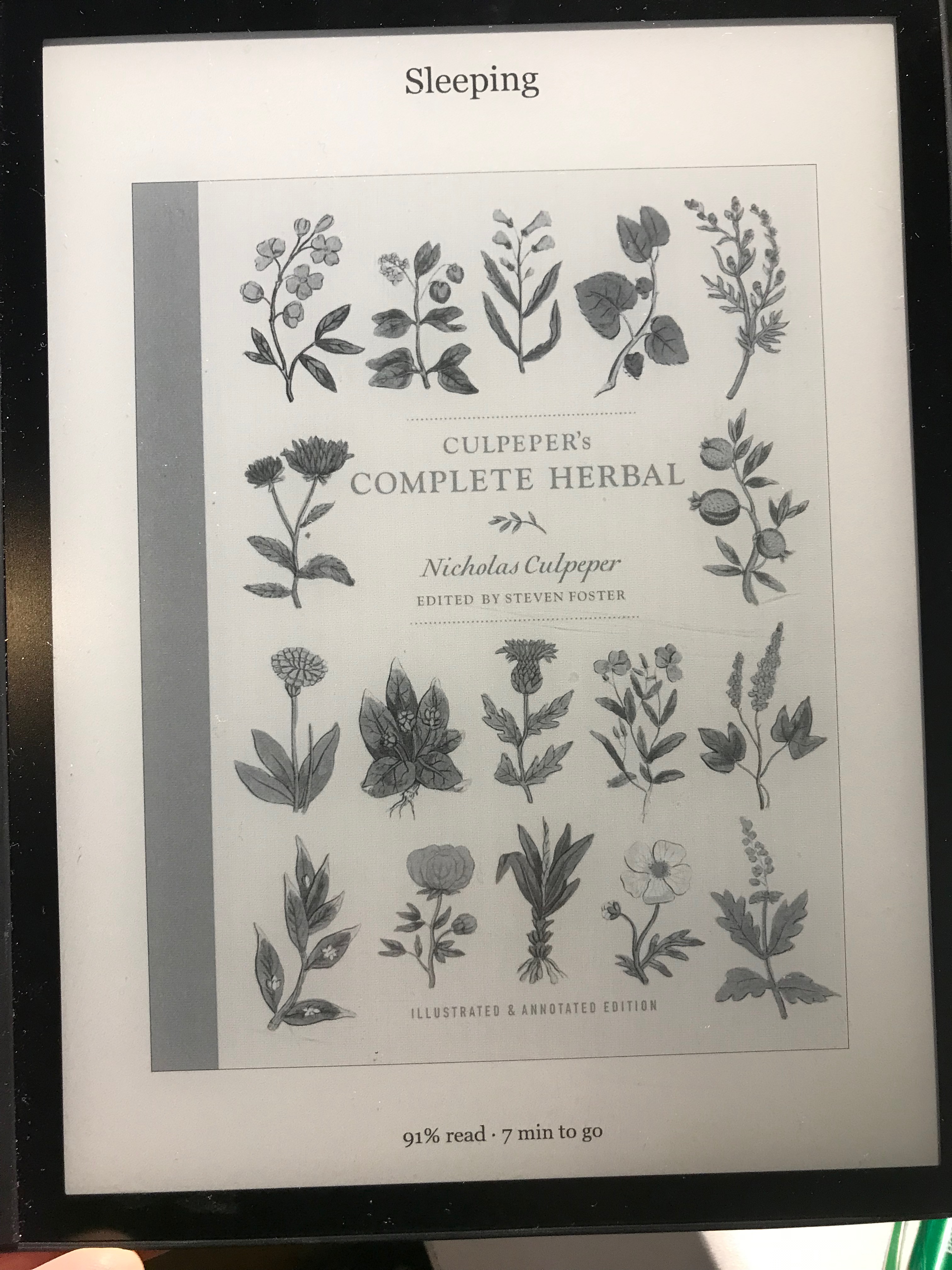
So, a few days later I discover the library has an e-book edition available of yet another herbal. Culpeper’s Complete Herbal can be downloaded in a few minutes for free. Cool. Sad also. Is this a book? (Left: photo of e-book on Kobo)

As I ponder this question, let’s smell the roses!

Love-me-back TREE!

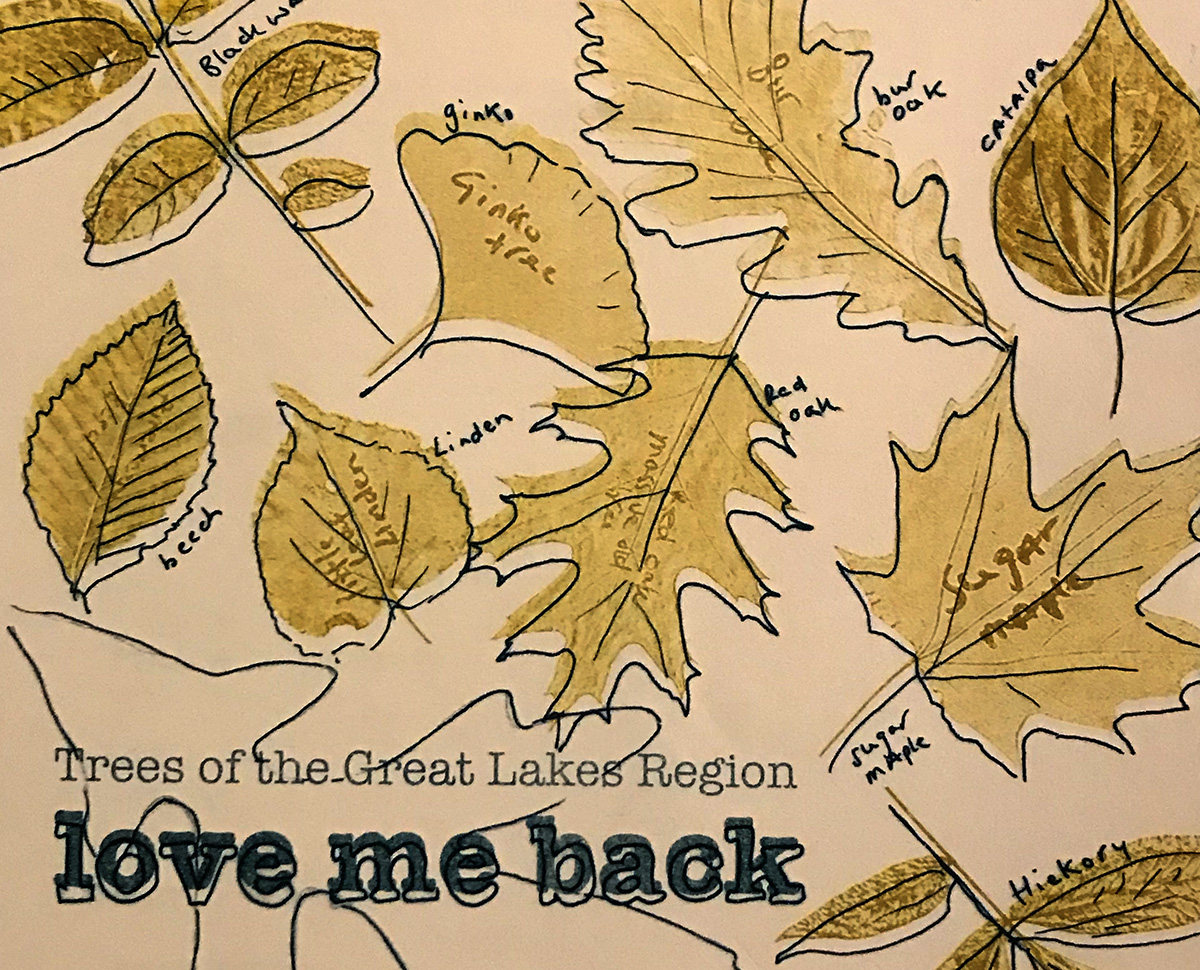
Hi! I started the Love-me-back TREE project before the International climate conference COP26 in Glasgow in 2021. However, at COP26 the world made new promises to stop deforestation.

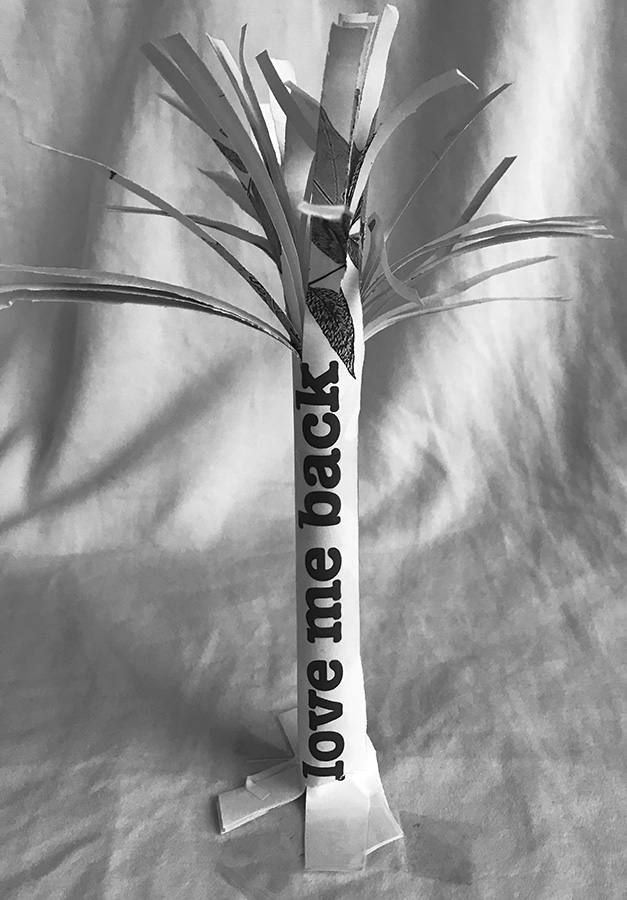
The Love-me-back TREE offers a small opportunity to participate in this important climate initiative. That’s my hope. Tape your tree to your desk, window sill or elsewhere. Let’s start a conversation!

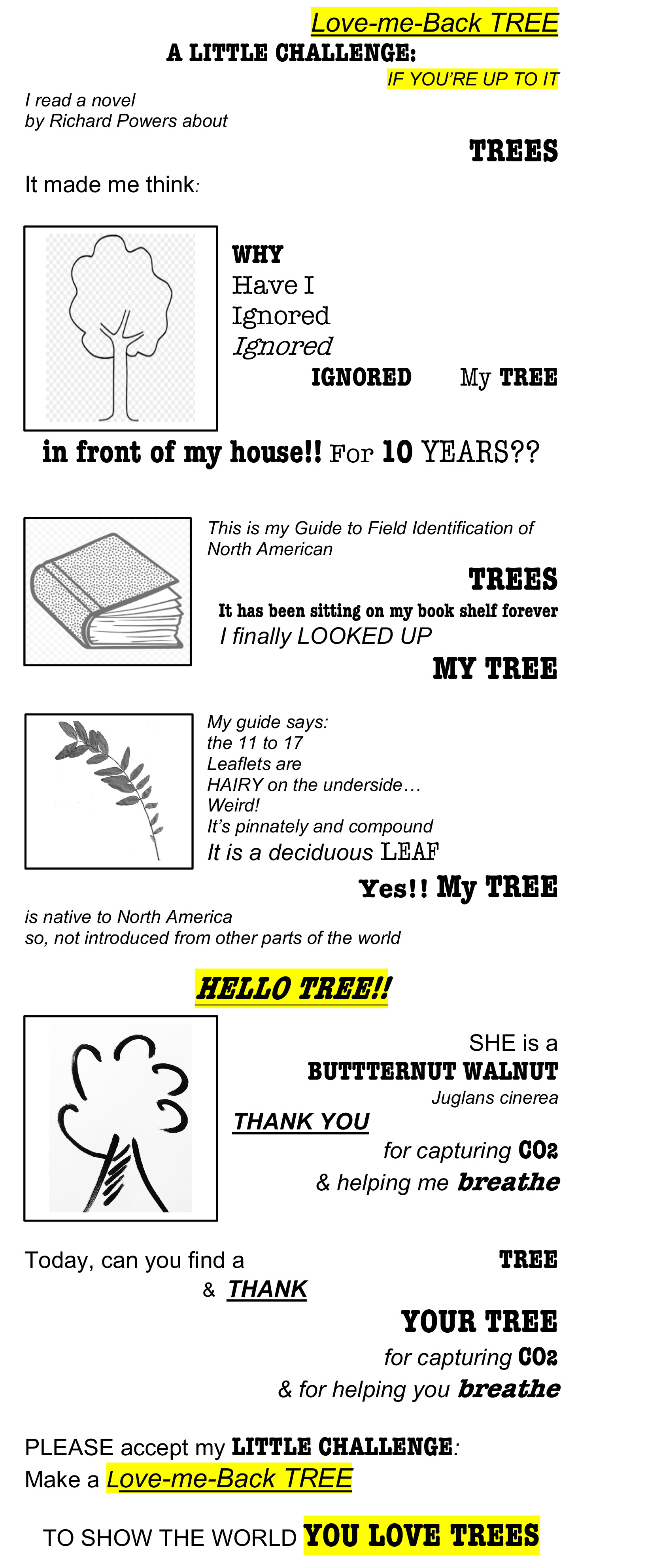
Here’s the story about my tree that got me started on this project!

Some Resources for learning about trees in the Great Lakes region

Forest Tree Identification app

Picture this app

www.inaturalist.org/guides/10635

www.outdoorlife.com/15-trees-every-outdoor-lover-should-learn-to-identify/

www.ontario.ca/page/tree-atlas

Collaborators

Many thanks to Rinck Heule, Shannon Gerard, Kenny Lam, and Natasha Overduin for suggesting Richard Power’s novel Overstory. The project poster and story was produced on a Riso printer with soy-based ink on responsibly sourced paper at OCADU.

Hey, Did You Drop Something?

Skip to my art installation

(Artist statement)

Auguste Rodin initially imagined his sculpture of Eve (1881) would be part of  his much larger work  Gates of Hell. However, the artist decided to exhibited Eve as an independent sculpture to high acclaim in Paris in 1881.

Why Rodin broke with long-standing convention, dating back centuries, to depict Eve without the apple and without Adam is unclear to me. (Adam and Eve are sometimes depicted together, but without an apple, when fleeing paradise which happens after the famous apple scene.)

My own reading of the sculpture tells me that Eve’s body posture expresses such agonizing regret and guilt, no apple is needed to remind the viewer of her role in throwing the world into more or less permanent disarray. In short, the woman has dropped “the forbidden fruit” because, to be blunt, there’s no doubt in Rodin’s own mind or the minds of much of patriarchal society, that she’s guilty as hell.

My installation Hey, did you drop something intends to question in a humorous way the male patriarchal explanation for the existence of evil: “’Why do bad things happen to good people?’ Obviously because a woman ate the forbidden fruit!”’ Specifically, I intend to trivialize the agonizing Eve and all she represents by asking her to pick up the apple and take a healthy, happy bite out of it.

Many thanks to Toronto sculpture Kip Jones and the technicians at OCADU for helping me produce the bronze apple.

Footnote: I’ve had opportunity to see Eve at the Frederick Meyer’s Sculpture Gardens in Grand Rapids, MI, on several occasions when visiting family. Every time I see it, I feel deeply moved by this sculpture. I’m not questioning the work itself, but rather the unfortunate myth it represents in such a powerful way.

 Source: musee-rodin.fr/en/collections/sculptures/eve.


Why you should care about stickers on your fruit

(Backgrounder: PLU code series)

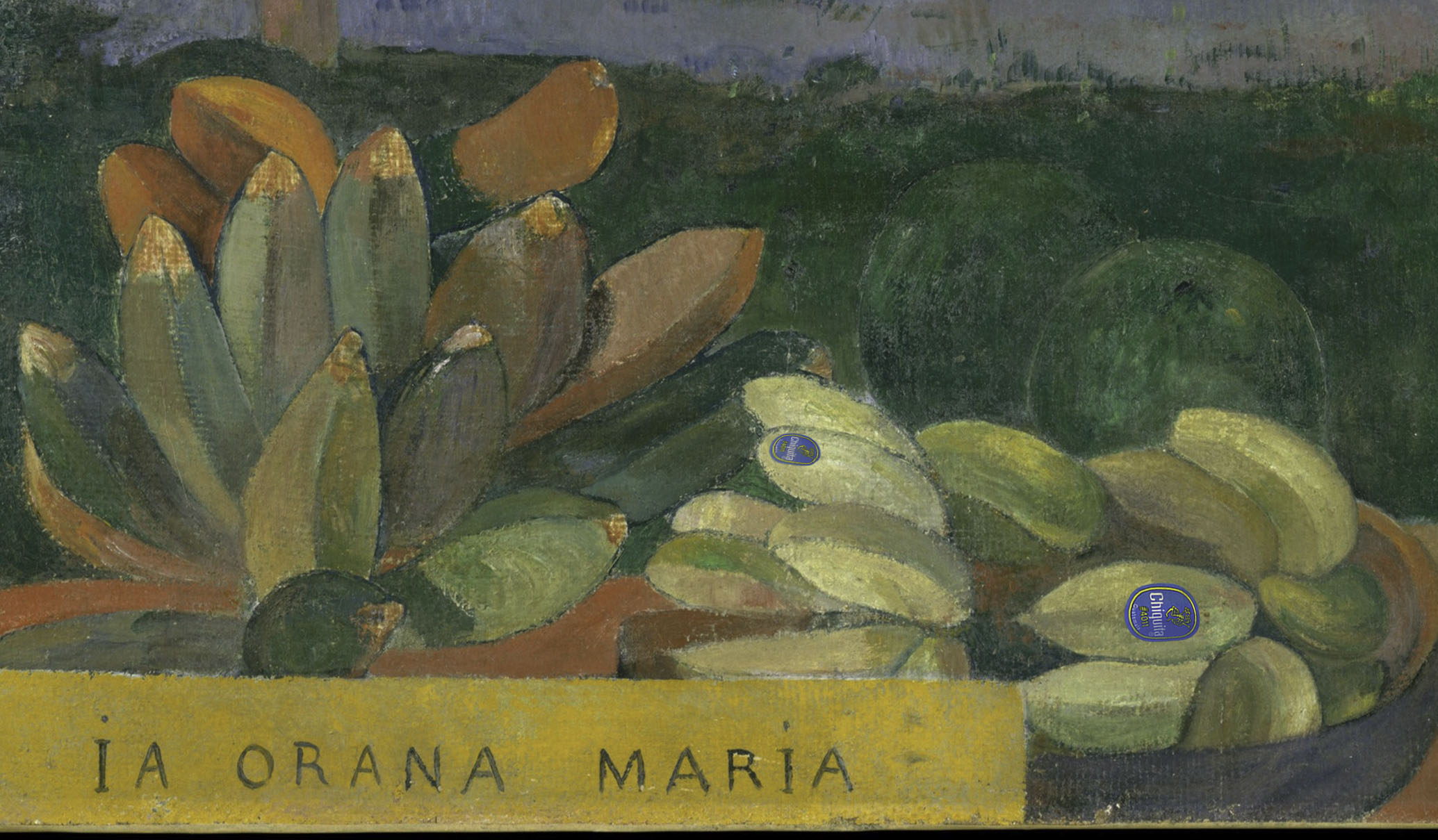
Stickers on fruits and vegetables are officially known as PLU codes or price look-up codes.

Initially, in the 1990s, they contained bar codes only to facilitate inventory control. Soon, logos and website URLs were added. Now they are rather ingenious, tiny billboards.

In fact, a PLU sticker turns a banana into a brand. It doesn’t stop there. For example, put a few lettuce heads into a plastic bag, and, surprise, they turn into a “value-added vegetable product.” The “value-added” piece translates into more profit for food distributors, presumably because putting lettuce heads into a plastic bag with a PLU code on it makes our lives more convenient.

The 1400 PLU codes in circulation around the world today symbolize the globalization and the commercialization of basic food commodities.

I’ve been exploring this theme in the PLU Codes Project. This multi-year project includes a series of multi-media visual art pieces — all of them intended to make you smile, and, maybe, make you pause for a moment. I welcome your comments.

Photo credit: Detail of la Orana Maria, 1891, modified with PLU code, trademark TM Chiquita. Original image: Paul Gauguin (1848–1903). At the MET in NY, NY. Oil on canvas 113.7 cm x 87.6 cm. Bequest of Sam A. Lewisohn, 1951.  Concept copyright 2017 © by Nandy Heule

New Bathroom etiquette?

Locations across Canada

(Backgrounder: Bathroom signs project)

toilet

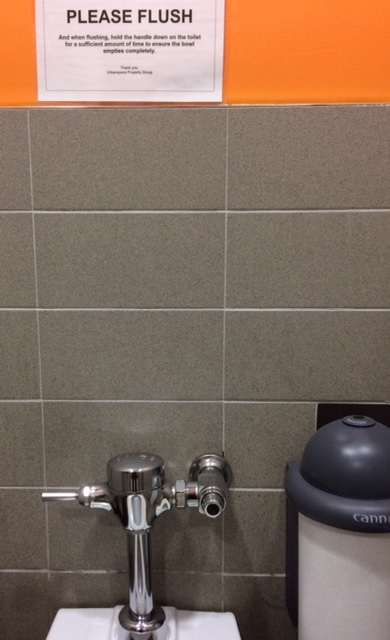
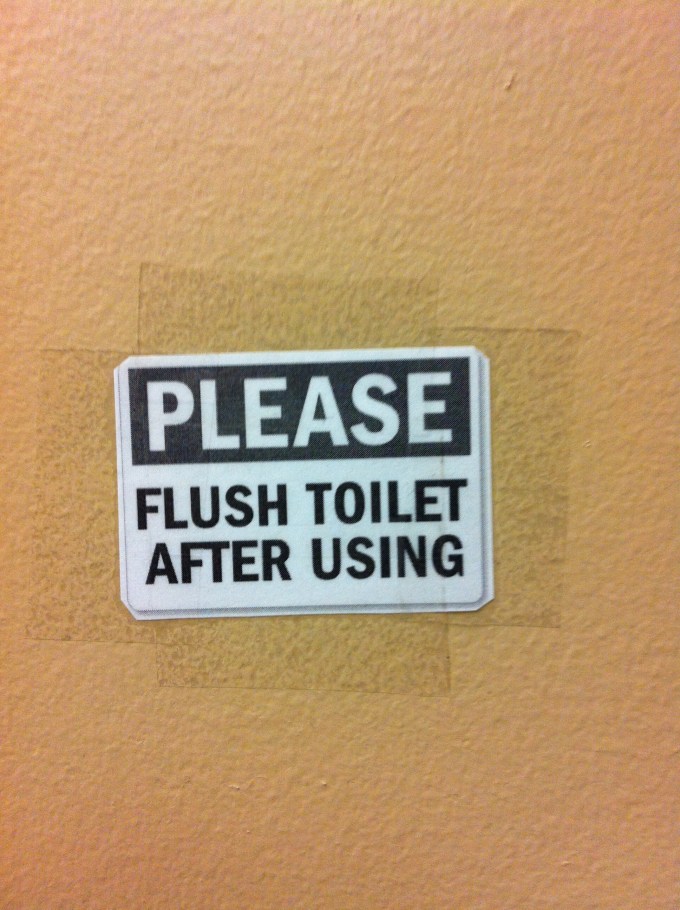
Have you noticed the “flushing signs” popping up in public bathrooms? With the gradual switch to electronic toilets, we seem to be a bit confused these days about bathroom etiquette.

The slow introduction of new technology can have unintended consequences. Just in case you conclude this piece is about Monday Motivation only, read my post on the gradual introduction of a new brand identity  and how this may have unintended consequences.

To flush or not to flush?

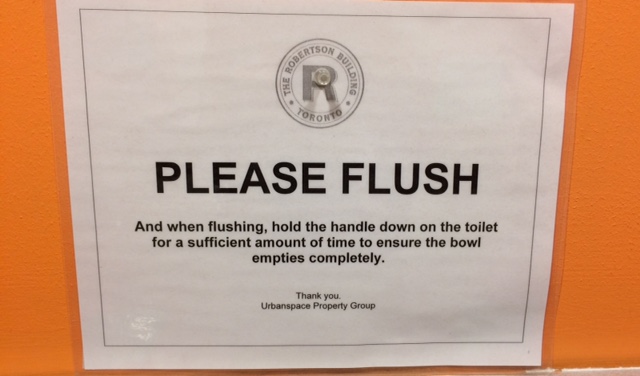
My most recent example (left) comes from the wonderfully renovated Robertson building on Spadina Street in Toronto.

No-touch taps, no-flush toilets, no-touch hand dryers, automatic soap dispensers — it seems to be a trend. What’s the end goal, I ask? Will it cut the spread of germs? Suggestions?

Please send me your photos of similar signs! I’ll eventually share my growing collection of these types of signs that help us navigate the brave new world of hi-tech bathrooms.

toilet 2

031